Sheet 01 · 15 frames
Famous places,
better light.
Every great sight has an hour when it works and several when it doesn’t. Here it goes place by place: which side catches the sun, when the crowds thin, where to stand, and what the rules say about tripods.
The contact sheet
Four frames a place · the circled one is the keeper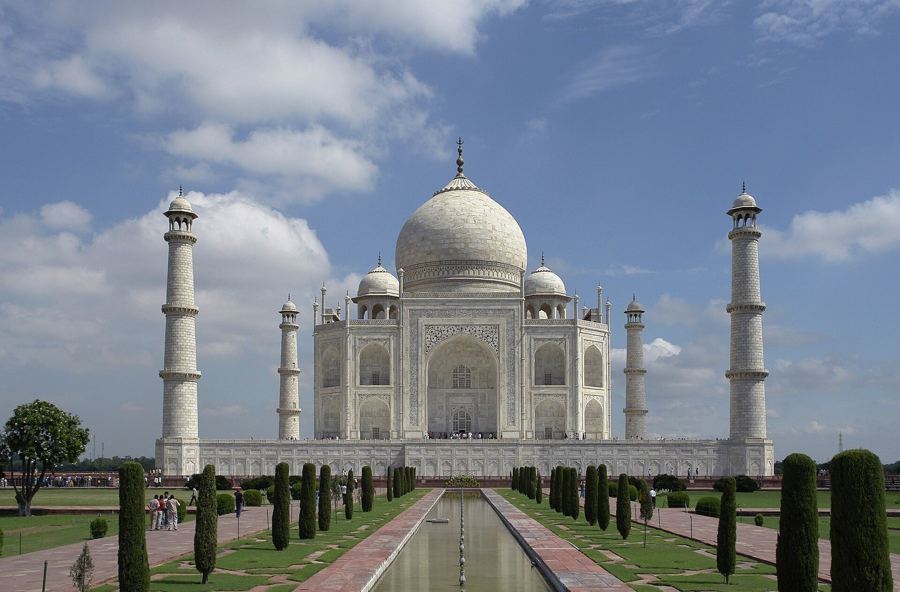 01A02Akeep03A04A
The Taj Mahal before the haze
Marble that turns grey, pink and gold within an hour: how to meet the Taj at first light, frame the long pool without the crowd, and finish on the far bank of the Yamuna.
- Light
- Sunrise, sun rising on your right
- Tripod
- Not allowed
- Crowds
- First half hour after the gates open
Photo: Yann ; edited by King of Hearts, CC BY-SA 4.0
 10A11A12Akeep13A
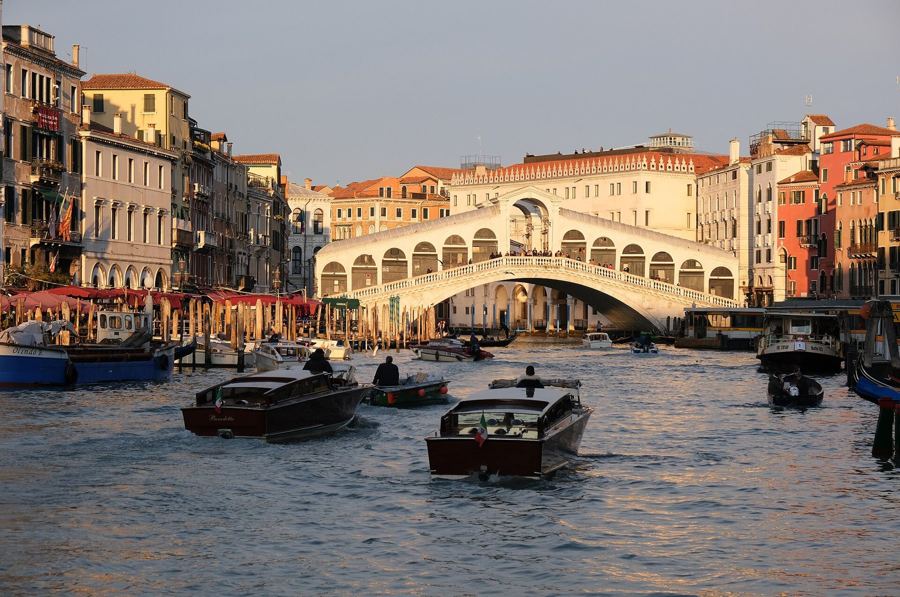
The Rialto, last hour of sun
The Grand Canal bends at the Rialto, and in the last hour of sun the bridge, the palaces and the water all turn gold. Here is which bank to stand on and when to stay.
- Light
- Late afternoon, sun low in the west
- Tripod
- Depends on the place
- Crowds
- After dark and early morning
Photo: kallerna, CC BY-SA 4.0
 04A05A06A07Akeep
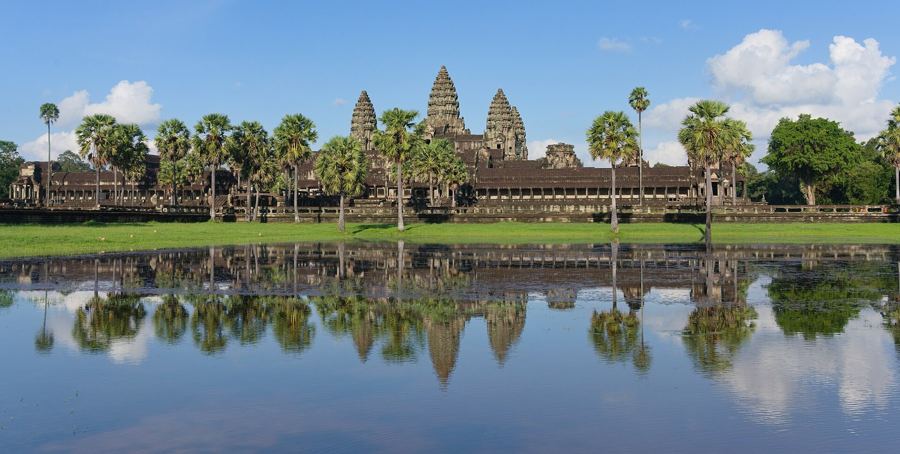
Angkor Wat and the second pond
The temple faces west, so it gives you two shows a day: towers in silhouette at dawn and warm stone in the afternoon. Here is where to stand for both.
- Light
- Sunrise behind; late afternoon from the west
- Tripod
- Check at the gate
- Crowds
- Mid-morning, when sunrise crowds leave
Photo: Satdeep Gill, CC BY-SA 4.0
 22A23Akeep24A25A
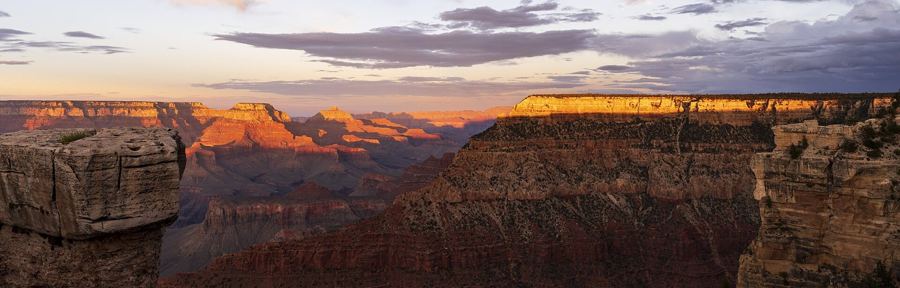
The South Rim in its last light
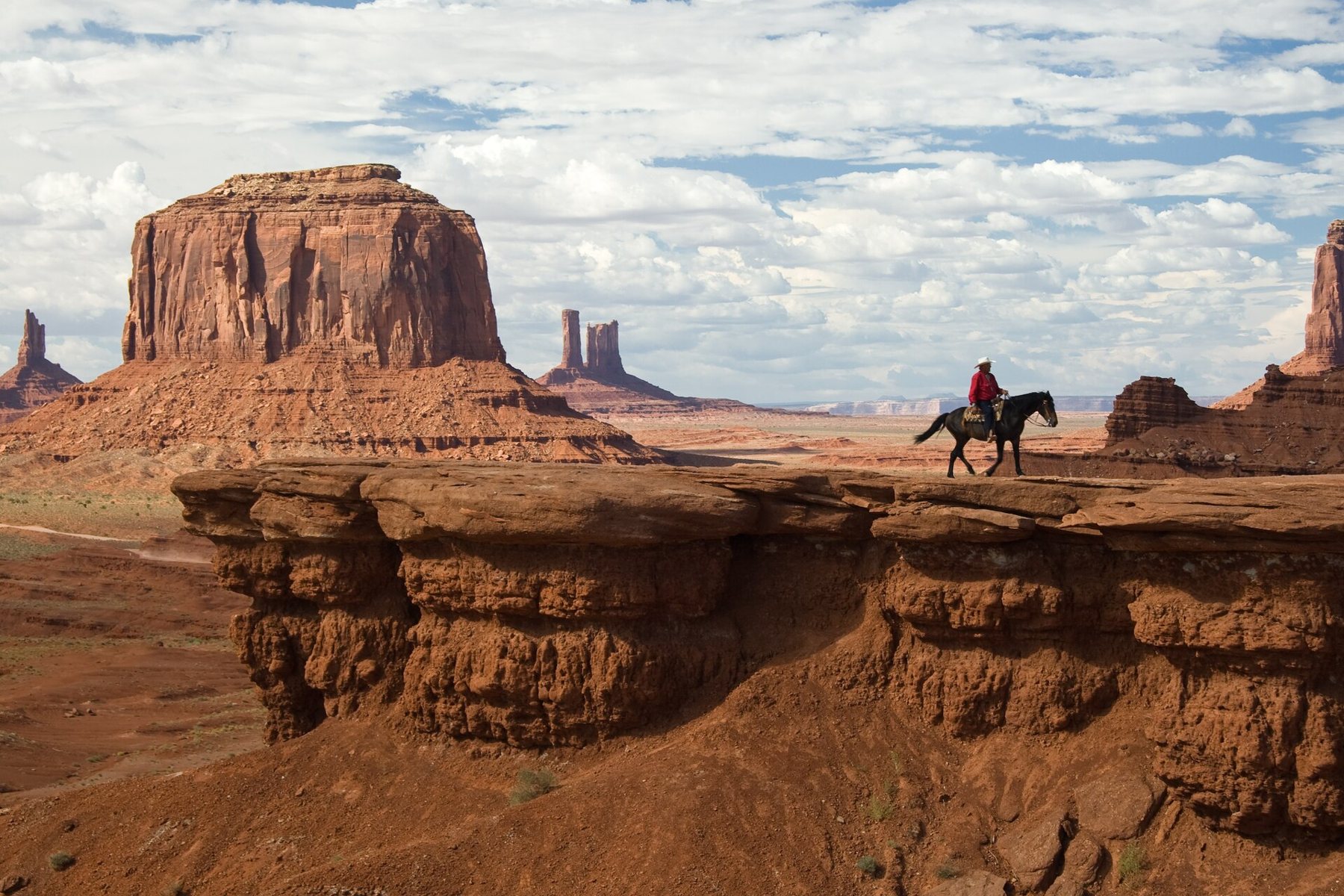
Mather Point for the first sun, Hopi Point for the last, and the storms of late summer in between: how to read the canyon's light from the rim.
- Light
- Late afternoon side light from the west
- Tripod
- Allowed
- Crowds
- Thinnest at sunrise and on winter weekdays
Photo: Mgimelfarb, CC0
Darkroom notes
The general rules that apply anywhere: tripods, crowds, weather and patience. Written plainly, with no gear to sell.
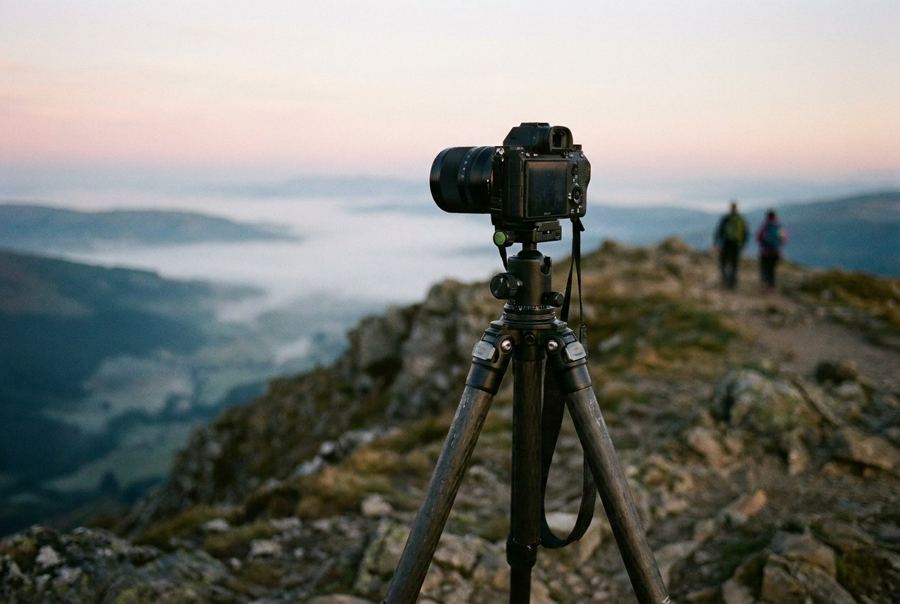
Tripod rules at famous sights, in general terms
Bans, permits, grey areas and polite questions: what tripod rules usually mean at monuments, museums and parks, and how to get a steady picture when three legs are not welcome.
Anywhere you go · 5 minBeating the crowds without getting up at four
Sunrise is not the only empty hour. The last hour before closing, the lunchtime lull, the quiet season and a few tricks with angle and shutter can clear a scene almost as well.
Anywhere you go · 4 minOvercast days are a gift for streets and forests
A grey sky is a giant softbox. It kills hard shadows, deepens colours and keeps waterfalls and faces from burning out. Here is what to shoot under it, and what to save for the sun.
Anywhere you go · 4 minWhy your blue-hour shots look grey
The sky after sunset is rich and deep to the eye, then flat and grey on the screen. Usually it is the timing, the exposure or the camera's colour guess, and all three are fixable.
Anywhere you go · 4 min
Six hours of light
Every place note uses the same six hours, so one sight can be weighed against another.
Blue before40 min before sunriseLit buildings, empty squares, long exposures.
First goldSunrise + 1 hrEast faces glow; mist still in the valleys.
MorningUntil about 10Clear light, short queues at the big sights.
High sunMiddayGo inside: interiors, markets, shaded lanes.
Last goldSunset − 1 hrWest faces, ridges in side light, warm skin tones.
Blue afterSunset + 20 minSkylines and bridges against deep blue.
Light is the one thing on this sheet that never changes. Gates, tickets and crowds do; the sun still rises in the east.