Frames from Europe · Val Gardena
Seceda's ridge at first and last lift
A grassy ridge that tilts up and then falls away into cliffs, with the jagged Odle peaks beyond. The light is best when the lifts are about to stop.
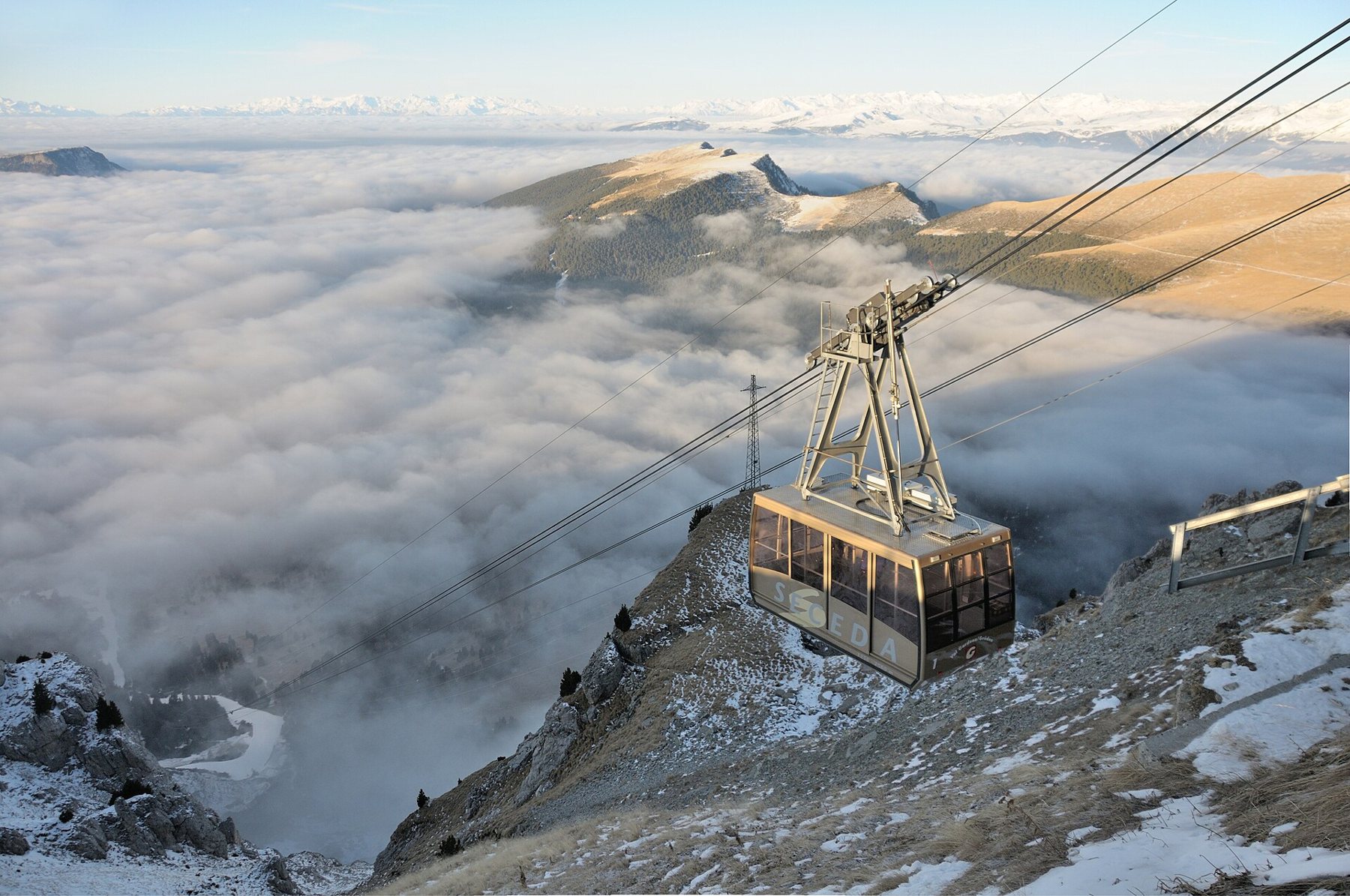
Seceda is a high, grassy mountain above Val Gardena in the Dolomites of South Tyrol, at about 2,500 metres. Its south side is a long, gently rising meadow. Its north side is a sudden wall of rock. Where the two meet, the ridge tilts up like a ramp and then drops away into nothing, and beyond it rise the jagged grey spires of the Odle, known in German as the Geisler.
That combination of a smooth green slope, a sharp edge and a row of rock towers is one of the most recognisable mountain views in the Alps. It is also very easy to reach, which means two things for photographers: crowds in the middle of the day, and the need to plan around the lifts.
Riding up, and when
The usual way up is by lift from Ortisei, the main village of Val Gardena: a gondola to a middle station, then a cable car to the top. You can also ride up from Santa Cristina to the Col Raiser area and walk across the high meadows to Seceda, which takes longer but gives views all the way.
The lifts run in a summer season, roughly from late spring to the autumn, and again in the winter ski season, with breaks in between. Exact dates and the times of the first and last rides change from year to year, so check before you go. Those two times shape your whole visit, because they decide which light you can reach without a long walk in the dark.
The ridge in evening light
The famous view looks roughly east along the ridge towards the Odle. In the morning that means looking towards the sun, so the spires stand dark against a bright sky and the grass is in shadow. It can be dramatic, especially with mist in the valleys, but it is not the warm, detailed frame most people imagine.
In the late afternoon and evening the sun comes from the west, behind you. It lights the tilted meadow from the side, picking out every ripple and path, and turns the rock of the Odle warm and pale gold. The edge of the ridge throws a long shadow down the north face. This is the light the place is known for, and it arrives near the time the last lift goes down.
If you want the very last light, you have to plan to walk down. Paths lead back towards Ortisei and towards Santa Cristina, and they take a couple of hours or more; carry a head torch, check the route beforehand, and do not try it if you are unsure of your footing. A short telephoto from a little further back along the ridge stacks the spires closer behind the edge and gives the classic compressed look.
Weather on the Odle
The Odle and the high Dolomites make their own weather. On summer days, clear mornings often give way to cloud building over the peaks by early afternoon, and thunderstorms are common. When a storm comes in, leave the open ridge immediately; it is no place to be with lightning around.
Cloud is not always bad news, though. Mist pouring over the edge of the ridge, or a sea of cloud filling the valleys below while the summit stands clear, can give the most memorable frames of the season. Partly cloudy evenings, with gaps letting light through onto the meadows, are often better than a perfectly blue sky. On flat grey days, close details and the textures of rock and grass work better than the wide view; see working with overcast light.
Wind is the other constant. It can be strong and cold on top even in midsummer, so carry a warm layer, and hold onto anything light.
Staying on the paths
Seceda lies within the Puez-Odle Nature Park, part of the Dolomites World Heritage area. The meadows are grazed and cut for hay, and they are fragile. The crowds that come for the view have worn wide scars across them in places, and farmers and the park ask visitors to stay on the marked paths.
Do this even when the perfect angle seems to be a few metres off the track. Do not cross fences, do not walk to the very edge of the drop, and never stand on the lip of the north face for a picture: the edge is steep, exposed and often loose. The best views are available from the paths, and the lines of the trails can even become part of the composition.
Drones are restricted in nature parks and around lifts; assume you cannot fly one here. Overnight camping on the mountain is generally not permitted. Tripods are usually fine on the wide paths if you keep them out of the way of walkers; the general tripod rules apply.
Busy weeks and empty ones
The ridge is busiest from late morning to mid-afternoon in July and August. The first lift up and the last hour before the lifts stop are far quieter, and the light is better at both ends. Weekdays and the shoulder months, June and September, help too. See beating crowds without getting up at four for the general approach.
Early summer brings flowers in the meadows and some snow left in the gullies of the Odle. Late summer is greener and drier. In September and early October the grass turns golden, the air is often clearer and the crowds thin, which makes autumn many photographers' favourite. In winter the area is part of a ski region and the scene changes completely; the classic ridge view is very different under snow, and access depends on the lifts and conditions.
One ridge, two lifts, one evening
- Check the lift dates and the times of the first and last rides.
- Check the forecast for afternoon storms over the Odle.
- Ride up early for clear air and quiet paths, or late for the warm light.
- Walk east along the ridge path from the top station towards the summit area.
- Decide before the last lift whether you are riding down or walking.
Keep it that simple, stay on the trail, and let the light do the work. Seceda is one of those places where the view is already composed; your job is to be there when the sun comes across from the west.