Frames from Asia · Kyoto
Fushimi Inari's gates without the crowd
Thousands of vermilion gates climb Mount Inari, and most visitors turn back within the first few hundred metres. Go early or late, keep climbing, and the tunnels empty out.
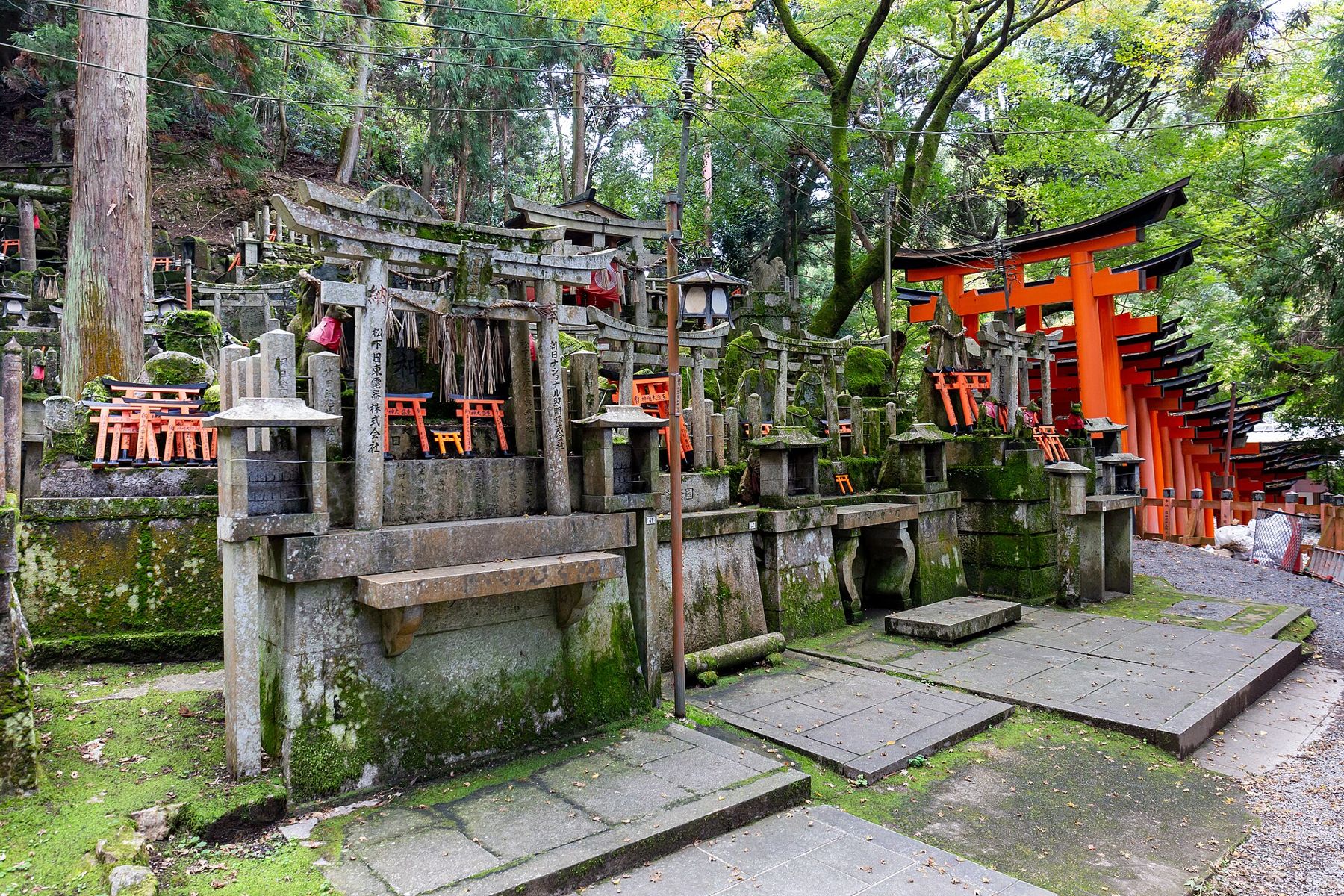
Fushimi Inari Taisha is the head shrine of Inari, the deity of rice and prosperity, and its fame rests on one image: a corridor of vermilion torii gates running up a wooded hillside. Thousands of them line the paths that loop over Mount Inari, each one donated by a person or a business, packed so closely that they form tunnels of colour.
The trouble is that this one image draws enormous numbers of visitors, and almost all of them crowd into the first stretch of gates near the main buildings. The good news is that the paths are open at all hours and run on for a long way uphill. Time and distance are your two tools here, and you need at least one of them.
Why the lower gates are always busy
The famous double row of gates, Senbon Torii, starts just behind the main halls. Through the middle of the day it moves like a queue. If you want a clean frame of these lower tunnels, you have two realistic windows: soon after first light, and after dark. Around sunrise, especially on weekdays and outside the main holiday weeks, you can sometimes have a long stretch of gates almost to yourself.
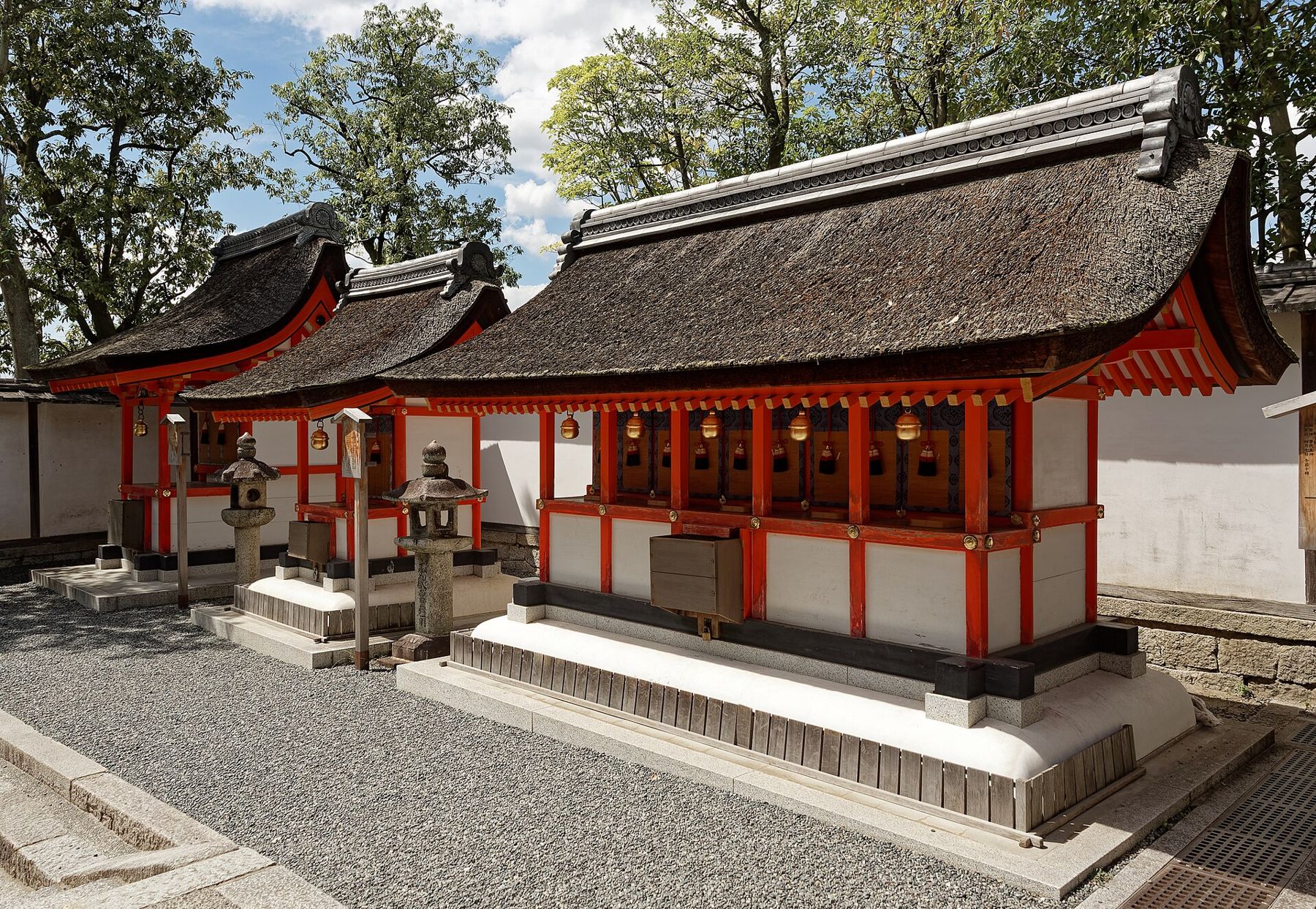
Do not ignore the lower grounds either. The main gate, the halls and the smaller thatched shrines around them photograph well in the morning, and the stone foxes, messengers of Inari, sit at every turn with keys or scrolls in their mouths. They make good close subjects when the tunnels are full.
Climbing past the crossroads
The single best piece of advice for this place is to keep walking. Crowds thin steadily with every flight of steps, and by the time you reach Yotsutsuji, the four-way crossroads roughly halfway up the mountain, most day visitors have turned back. Above it, the loop to the summit and back is quieter still.
The upper paths also give you more variety: tunnels that curve, gates of different sizes, moss-covered stone shrines crowded with miniature torii, and clusters of small altars among the cedars. These are the frames that look less like everyone else's photograph.
At Yotsutsuji there is an open view over the city to the west, which can be pretty in late afternoon and at dusk. It is not a grand panorama, but with the evening light low over Kyoto it is a natural place to pause before the climb or the walk down. The full loop over the summit takes a couple of hours at an easy pace with photo stops, and the steps are many; wear shoes with grip.
Reading the gates
The torii carry inscriptions on one side only, in black characters on the vermilion, naming the donor and the date. Walking uphill you mostly see the plain fronts and a clean wall of colour. Turn around and look downhill and the inscriptions appear, which gives a very different, more textured frame. Try both directions in the same tunnel.
Inside the tunnels, light is filtered by the trees and bounces off the painted wood, so even a bright day gives a soft, warm glow. That suits phones and small cameras well. Lower your exposure a touch so the vermilion stays rich rather than orange, and frame slightly off-centre so the tunnel curves away rather than sitting dead straight.
Grey and drizzly days are good here. The wet paths shine, the colour deepens and the crowds are smaller. The notes on why overcast days are a gift apply to every forest path on the mountain.
Lanterns and blue hour
After sunset the shrine changes character. Lamps and stone lanterns along the paths light up, the gates glow from below, and the tunnels feel enclosed and still. Visitor numbers fall sharply once it is dark, though the lower gates rarely become completely empty.
The short window just after sunset, when the sky is still deep blue between the trees and the lanterns are on, is the best moment for the main buildings. Further up, the paths are lit only in places, and some stretches are very dark. Carry a small light, stay on the main path and do not linger alone in unlit sections if you are not comfortable. For the colour of the sky at this hour, see getting blue hour right.
Low light inside the tunnels is a test for any camera. Brace yourself against a gate post rather than the gate itself, take several frames, and accept a little grain rather than blur.
Courtesy on a working shrine
Fushimi Inari is an active place of worship. People come to pray, make offerings and walk the mountain as a pilgrimage, and the small altars on the upper paths are tended and used. Do not photograph people while they pray, keep voices low near the halls, and never climb on stones, lanterns or the torii themselves.
Walk to the side of the path rather than straight down the middle of a gate where you can, and step aside to let people pass when you stop to shoot. Tripods and stands are a problem on narrow, busy steps; if you use one, do it only where you are not in anyone's way and pack it away if staff ask. The general tripod rules apply. Flying drones over shrine grounds is not acceptable.
Grounds are generally open around the clock, but individual buildings, offices and events keep their own hours, and New Year brings very large crowds. Check before you plan around a particular day.
Seasons on Mount Inari
Autumn, roughly from late October into early December, brings cooler air and some colour in the maples near the lower grounds. Spring brings soft light and fresh green leaves. Summer is hot and humid, with insects on the upper slopes, but the shade of the tunnels helps. Winter mornings can be cold and clear, often the quietest time of the year apart from the New Year holiday.
Whatever the season, the rule on this mountain stays the same: the higher you go and the further you are from the middle of the day, the more the gates belong to you.