Frames from the Americas · Monument Valley
Monument Valley: the Mittens at either end of the day
Silhouettes at dawn, red rock in front of you at dusk: how the light moves across the Mittens, where you may go on the valley floor, and the courtesies that come with it.
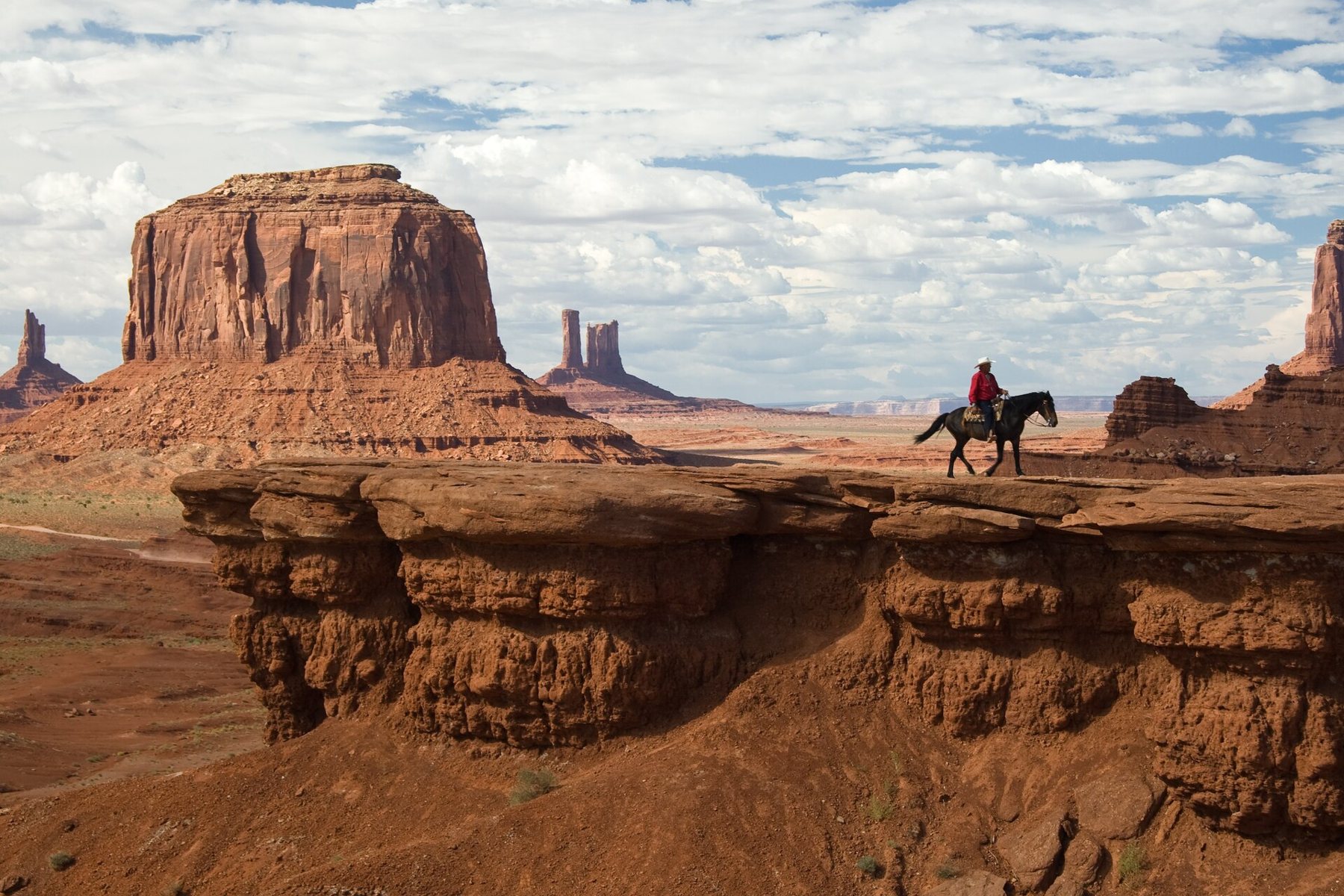
Monument Valley is not a national park. It is a Navajo Tribal Park on the Navajo Nation, the land of the Diné, and the families who live among the buttes are still there. That changes how you photograph it, where you may drive and what you should ask first, and it is the first thing to understand before you think about light.
The second thing is the layout. From the terrace by the visitor centre you look roughly east across the valley floor, straight at the two Mittens and Merrick Butte. Those three shapes are the picture most people come for, and they behave in opposite ways at the two ends of the day.
Dawn behind the Mittens
At sunrise the sun comes up behind the buttes, so you are shooting into the light. The rocks turn into dark cut-outs against a glowing sky, and if there is any cloud it lights up pink and gold before the sun clears the horizon. This is a silhouette picture, not a red-rock picture. Expose for the bright sky, let the buttes go black, and keep the horizon low in the frame so the sky does the work.
The exact point where the sun rises shifts through the year: further north in summer, further south in winter. Some mornings it climbs right between the Mittens, other times well off to one side. Walk along the terrace until the gap and the glow line up the way you want.
One timing trap: the Navajo Nation keeps daylight saving time in summer, while the rest of Arizona does not, and Utah does. Phones near the state line can jump between zones. Check the sunrise time for the park itself and set an alarm with some slack.
Dusk in front of them
In the evening the sun is behind you, low in the west, and it lights the faces of the Mittens straight on. This is when the rock turns that deep red-orange, and the long shadows of the smaller buttes stretch across the valley floor towards them. The colour peaks in the last half hour and keeps going for a few minutes after the sun drops, as the sky behind the buttes turns violet.
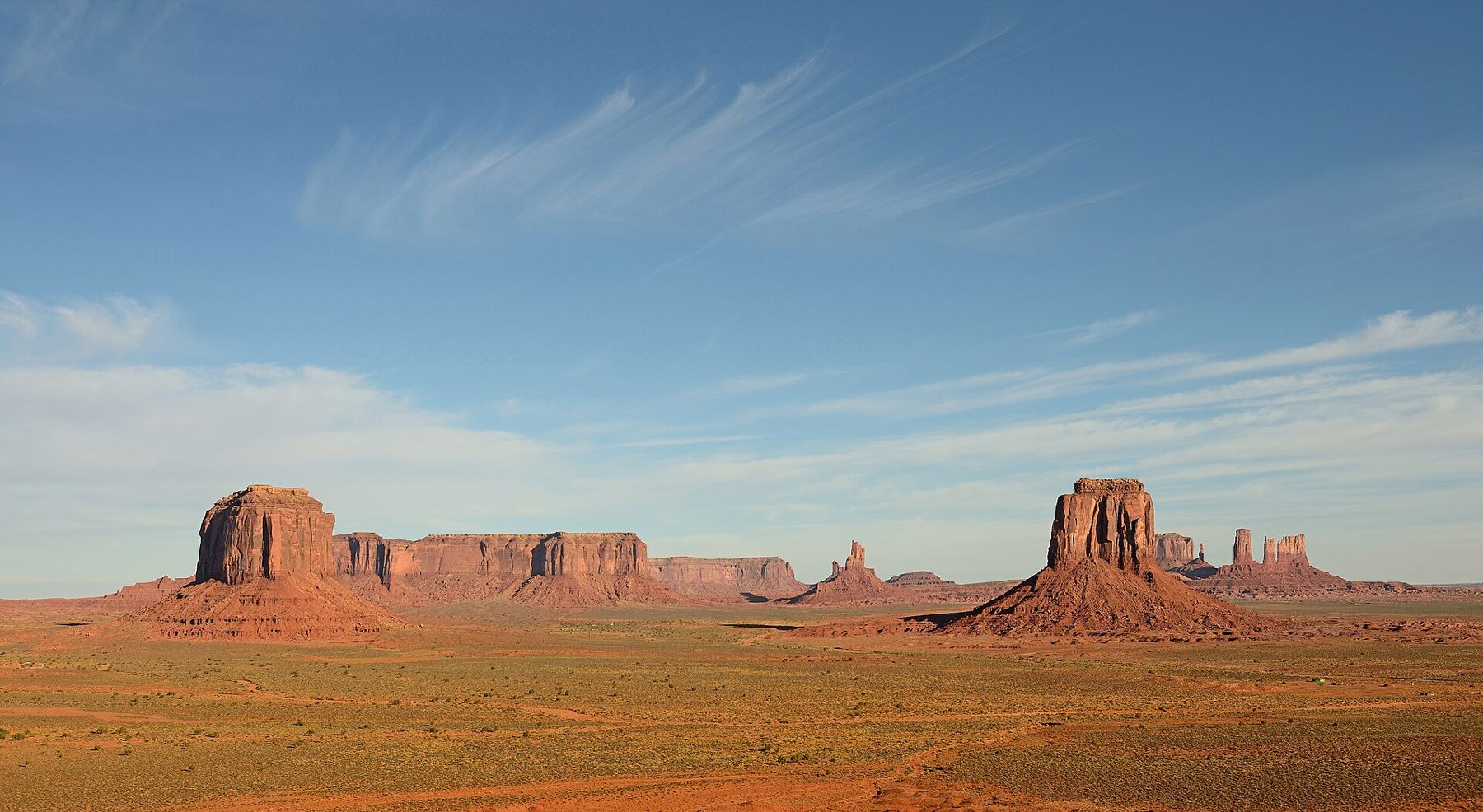
Around the spring and autumn equinoxes, people gather on the terrace for a shadow that falls from one Mitten onto the other just before sunset. Ask at the visitor centre which evenings it lines up; it depends on the date and the season.
A longer lens is useful here. From the terrace the Mittens are some way off, and a moderate zoom lets you fill the frame with one butte and its shadow rather than a band of rock across the middle of a wide picture.
Down on the valley floor
A rough, unpaved loop road leaves from below the visitor centre and winds past the buttes. Ordinary cars can usually manage it in dry weather if driven slowly, though the first descent is steep and rutted, and conditions change after rain. The loop has its own opening hours, which change with the seasons; check at the gate.
Stay on the marked road. Large parts of the valley are open only with a Navajo guide, and private homes, sheep and grazing land sit in places that look empty from the road. Guided trips go into areas you cannot reach alone, and they are also the best way to learn the names and stories behind the rock, from the people whose land it is.
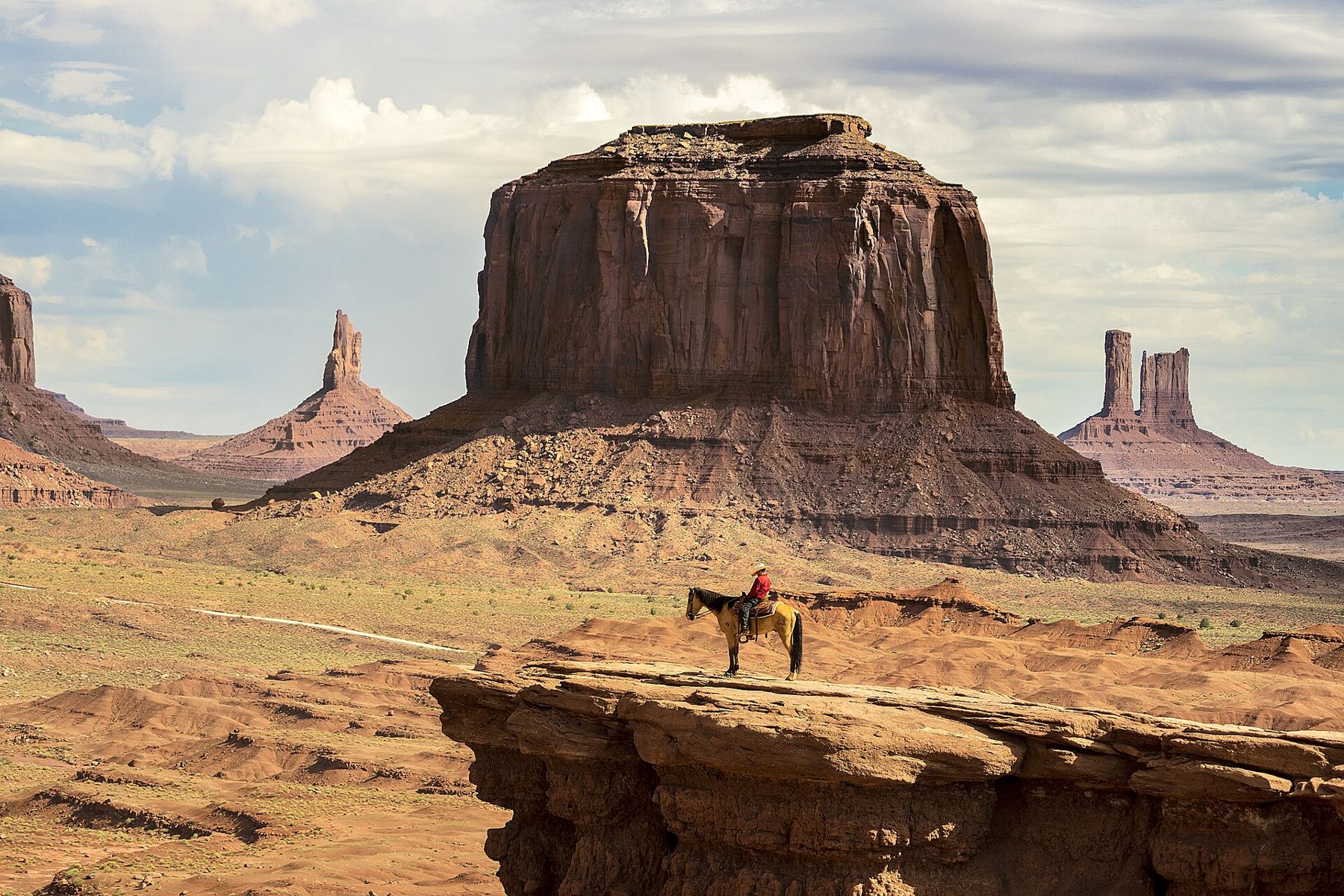
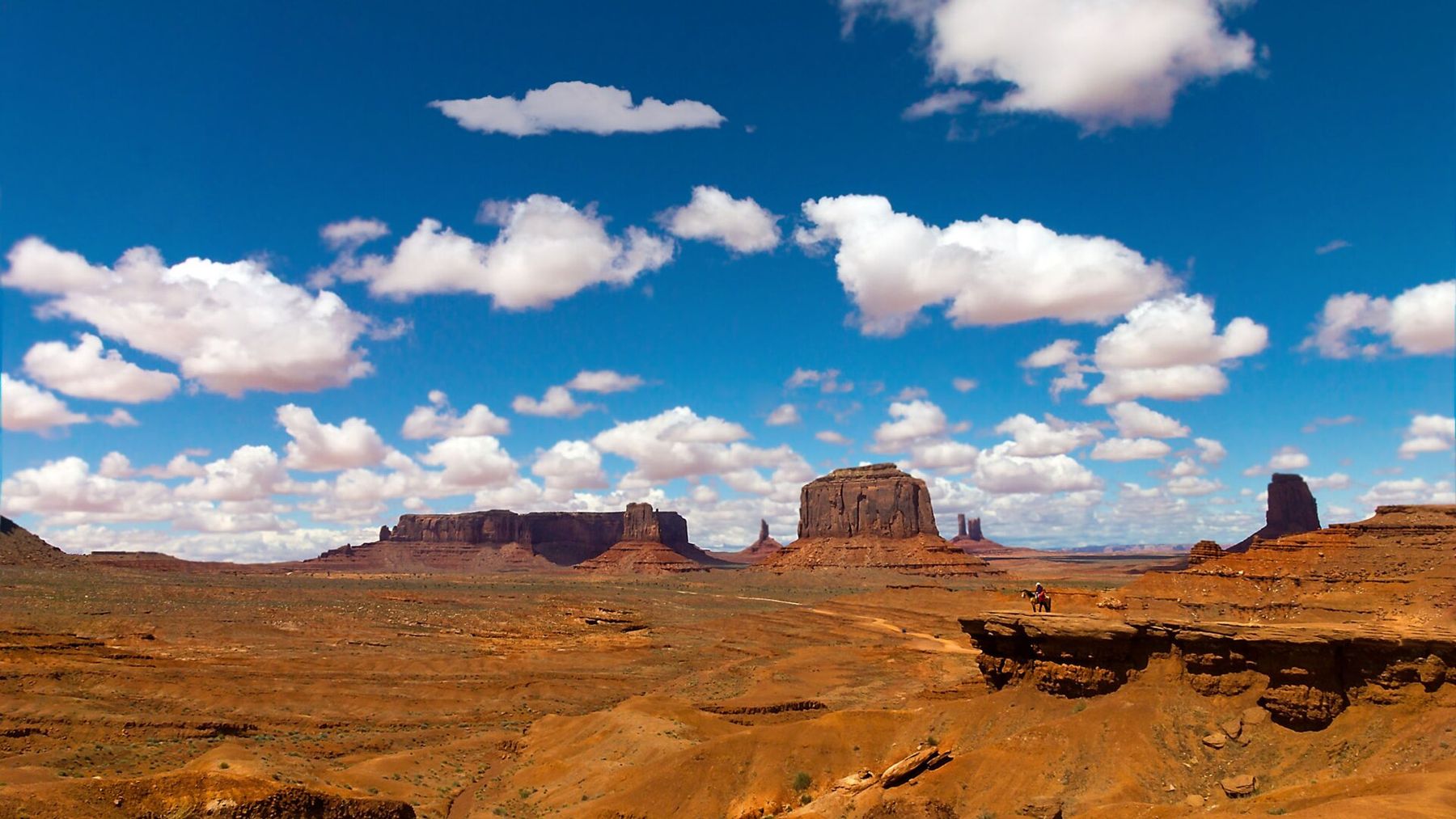
John Ford's Point
The ledge at John Ford's Point is the loop's best-known stop, with Merrick Butte and the spires behind it. A rider on horseback is often posed on the end of the ledge for photographs. Treat that as you would any portrait: ask before you shoot, and agree any arrangement first. The same applies to anyone you meet in the valley, at a stall or by a home. Photographing Navajo people, their homes or ceremonies without permission is not acceptable, and commercial photography needs a permit.
The road from the north
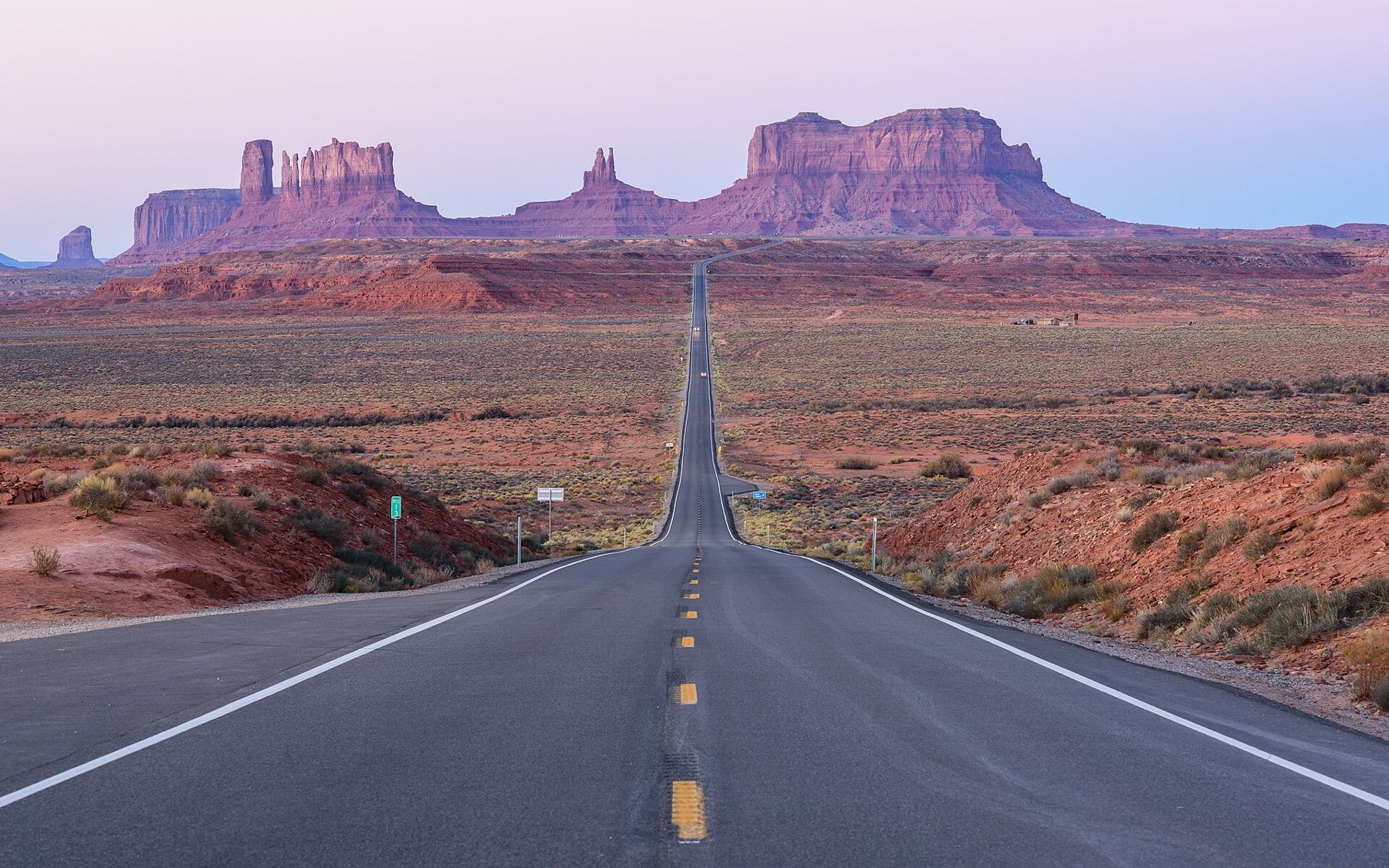
The famous long straight of US Route 163, heading towards the buttes from the Utah side, is outside the tribal park and free to stop at. It is also a live highway with fast traffic. Pull fully off the road, shoot from the verge, and do not stand on the centre line for a picture, however many people you see doing it. Early and late, the low sun rakes across the road and picks out the ridges on each side.
Rules, dust and what to carry
Rules here are set by the Navajo Nation, not by the federal park service, and they can differ from what you are used to elsewhere in the American West.
- Drones: not allowed without a permit from the Navajo Nation. Assume no.
- Tripods: generally fine for personal pictures on the terrace and at road stops, but check at the gate, especially if you plan anything that looks like a commercial shoot.
- People: always ask first, and respect a no.
- Off-road walking: stay near the viewpoints and the road unless you are with a guide.
Dust is the practical enemy. The valley floor is fine red sand, and afternoon wind lifts it into everything. Change lenses inside the car with the windows closed, or not at all; keep a lens cloth and a soft brush in a pocket; and put the camera in a sealed bag between stops. A sensor speck from Monument Valley will show up in every blue sky you shoot for the rest of the trip.
Spring and autumn are the kindest seasons. Summer is very hot at midday and brings afternoon storms, which can give dramatic skies but also turn the loop road muddy. Winter is quiet and cold, and an occasional snowfall dusts the red rock white, which is rare and worth a detour if it happens.
Making both ends of the day count
The simplest plan is the right one: be on the terrace before sunrise for the silhouettes, drive the loop in the morning when the light is still low and the road quiet, rest through the flat middle of the day, and come back to the terrace for the red faces at dusk. Then stay. When the sun is gone the sky keeps colouring, and with no towns nearby the stars come out over the Mittens.
A sensor speck from Monument Valley will show up in every blue sky you shoot for the rest of the trip.
The same two-ended approach suits other places that face one way, such as Angkor Wat, whose towers glow from the west in the afternoon and stand dark against the dawn. And if you are driving on from here, the South Rim of the Grand Canyon is a long half-day away, with a very different sunset waiting.