Frames from the Americas · Machu Picchu
Machu Picchu after the clouds lift
The citadel often starts the day hidden in cloud. How to use that, where the classic view sits on today's one-way routes, and what the rules leave out of your bag.
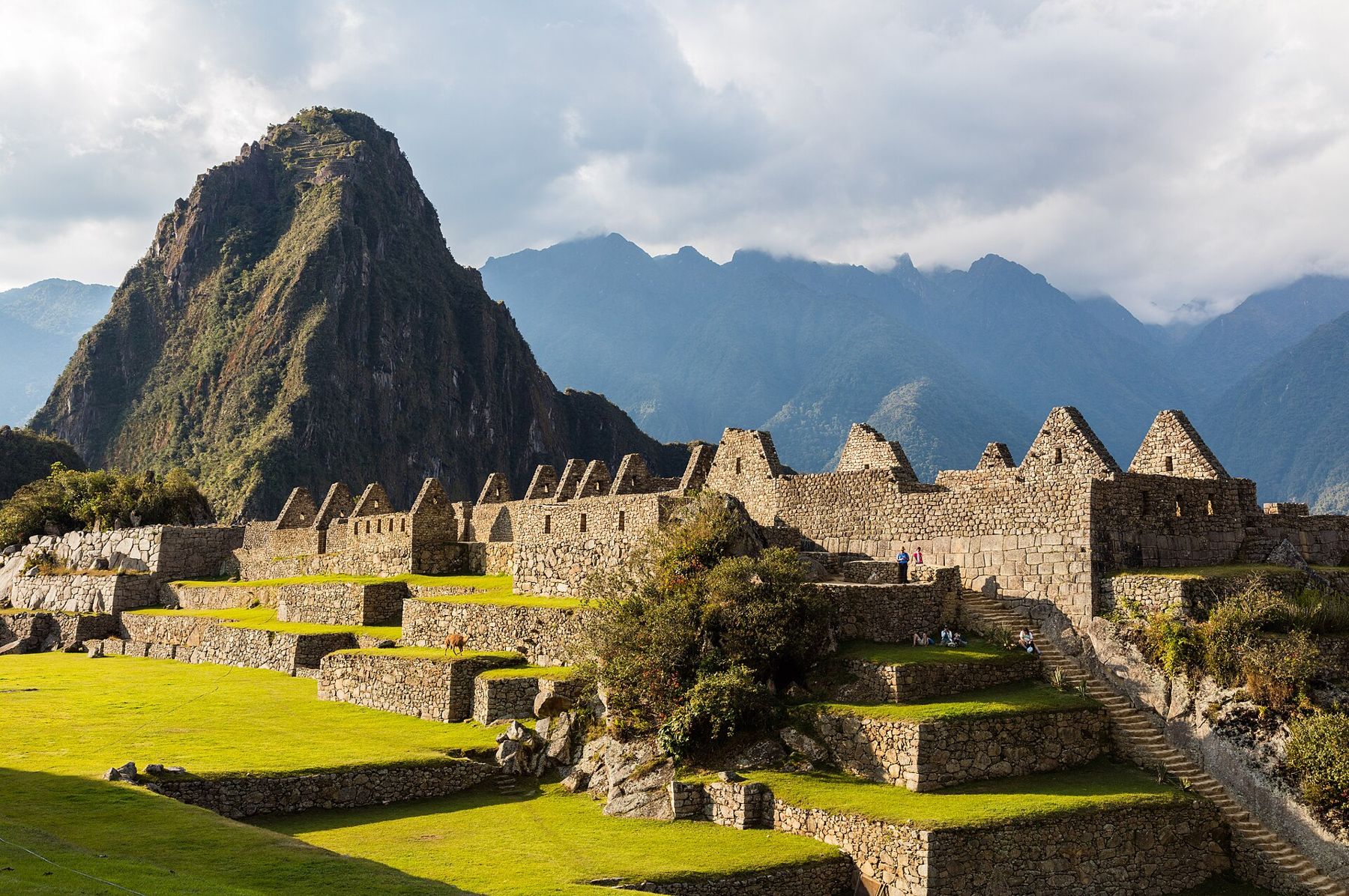
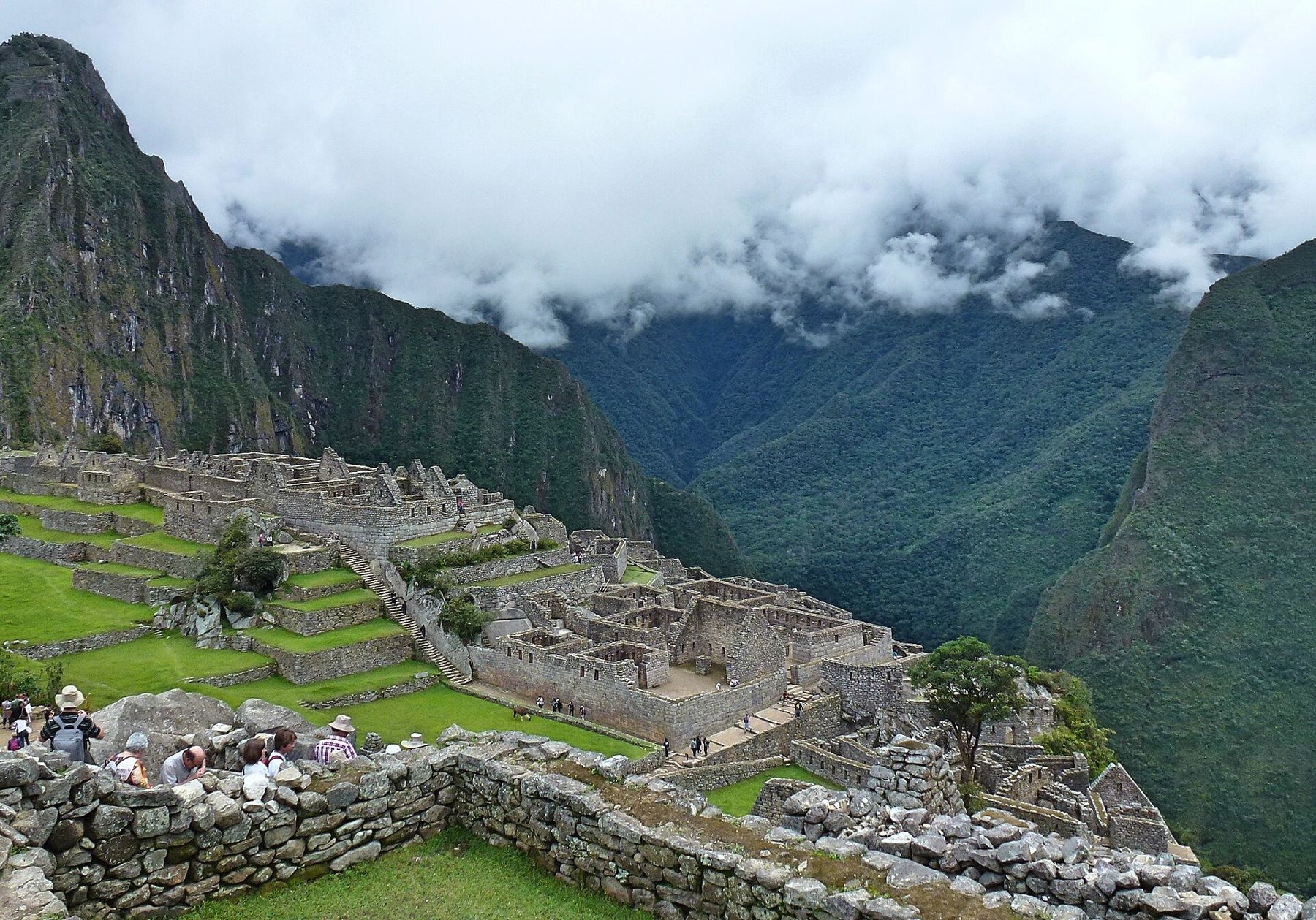
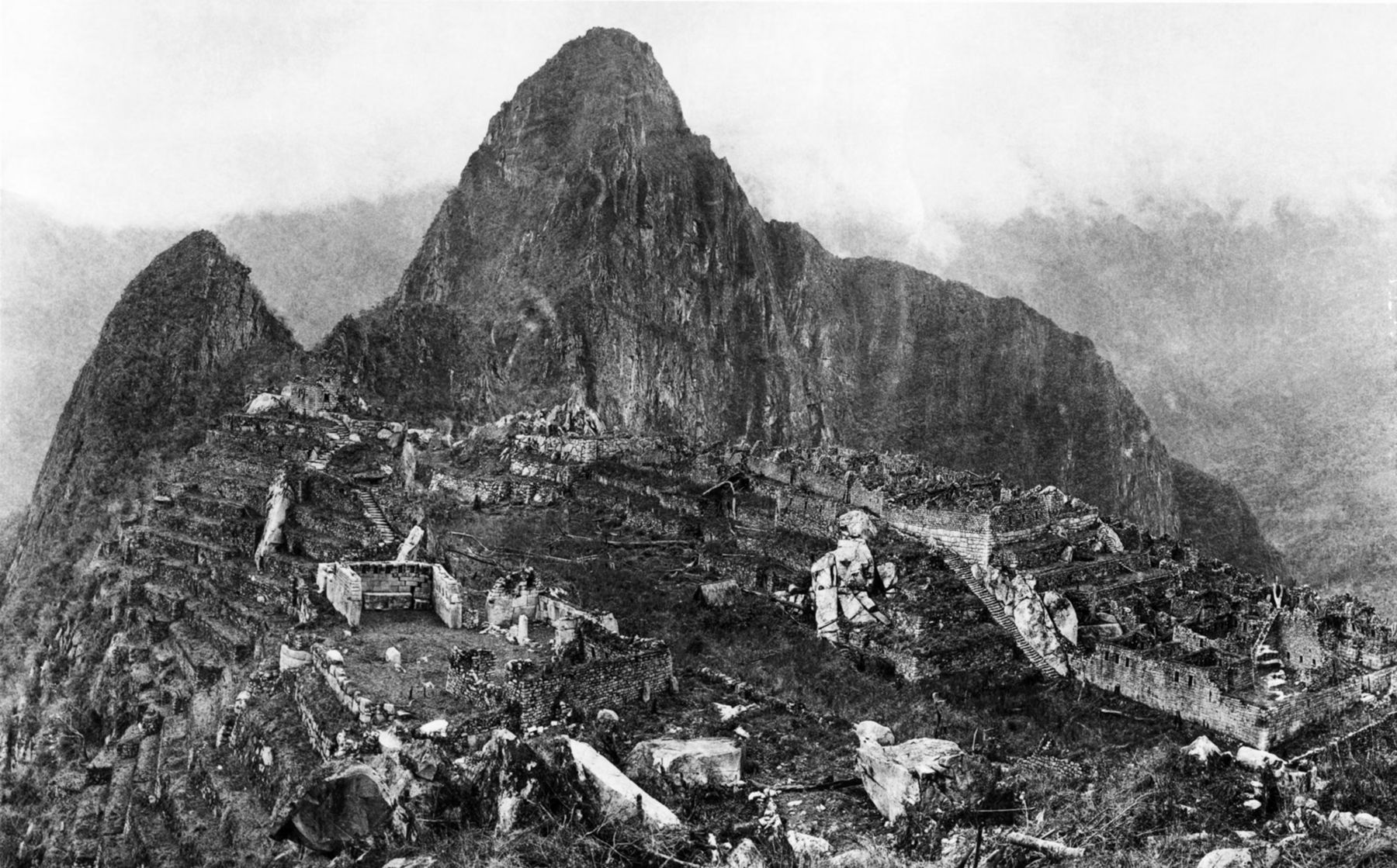
Machu Picchu sits on a saddle between two peaks, high above a loop of the Urubamba River, and the air that rises from the gorge forms cloud almost every morning. Many visitors arrive on the first buses, see nothing but white, and leave disappointed. The patient ones wait. When the cloud starts to break, it pulls apart in rags and drifts across the ruins and the green peaks, and for a while the citadel appears and disappears behind it. That is the hour worth the trip.
The site is a World Heritage property and one of the most closely managed places you can visit. How you move through it, how long you stay and what you can carry are all set by the rules of the day, and those rules change. Plan around them first, and the pictures follow.
Tickets, circuits and the one-way path
Entry is by timed ticket. In recent years each ticket has named an entry hour and a circuit: a set, one-way route through the site. Some circuits climb to the upper terraces for the classic view, others stay lower and pass through the temples and the main plaza. You generally cannot turn back against the flow, and time inside is limited.
This matters more for photographers than for anyone else. If the view from above is the picture you came for, make sure the circuit you book includes the upper terraces. The names, the routes and the rules on guides have all been revised more than once, so check the official ticket conditions when you book rather than trusting an older guide. Carry your passport; tickets are tied to it.
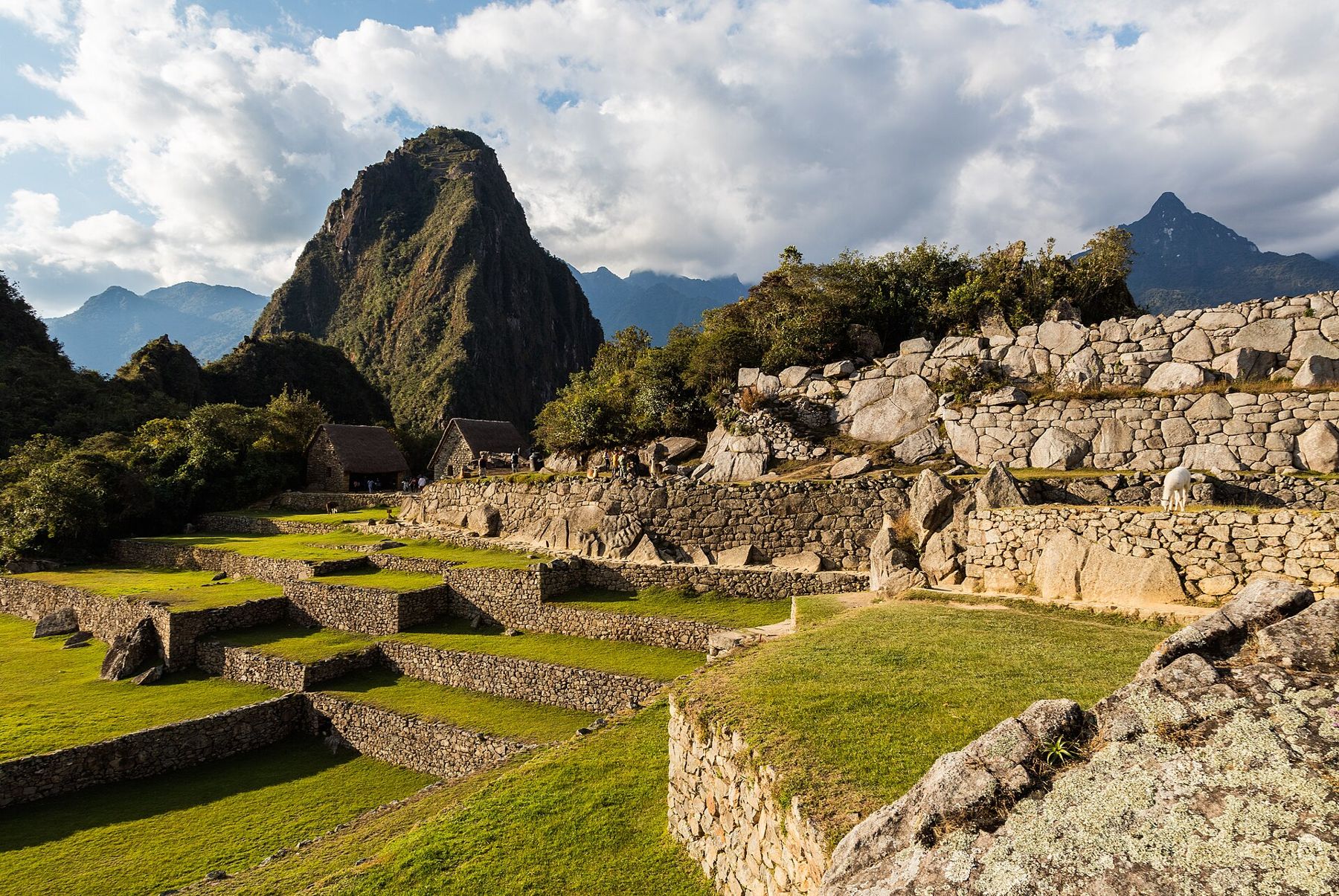
The classic view, and how to wait for it
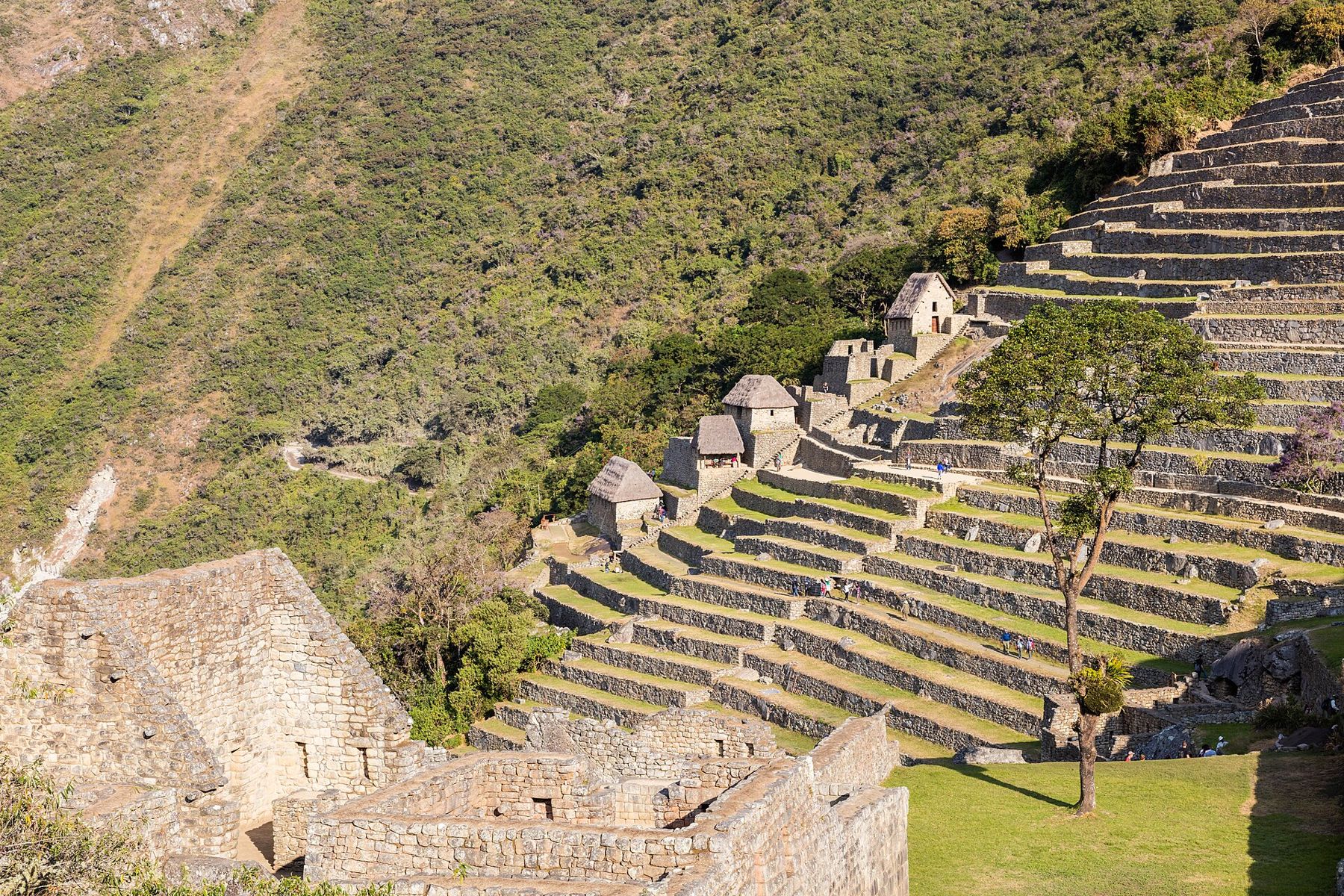
The postcard picture is taken from the upper terraces near the small thatched guardhouse, looking down over the whole citadel with Huayna Picchu rising steeply behind. Facing that way, morning light reaches the site from your right as the sun clears the eastern mountains, and afternoon light comes from your left. In the middle of the day the sun is high and the terraces lose their shadows, so the low-angle hours are better whenever your ticket allows.
Working with the cloud
Do not treat morning cloud as bad luck. A clear blue morning gives you the standard picture; a breaking cloud gives you a moody one that is much harder to get.
- Find your spot early and frame it, then wait. Cloud moves fast here, and the view can open for a minute and close again.
- Expose for the bright cloud and let the stone be a little dark. If you expose for the ruins, the sky turns into a white blank.
- Shoot a sequence. As the cloud thins, the picture changes every few seconds, and the best frame is rarely the first.
Once the cloud has gone, the light is often hard and bright, and the strong greens of the terraces can look harsh. That is the time to move lower, into the walls and doorways, where shade and texture matter more than the big view.
Among the terraces and temples
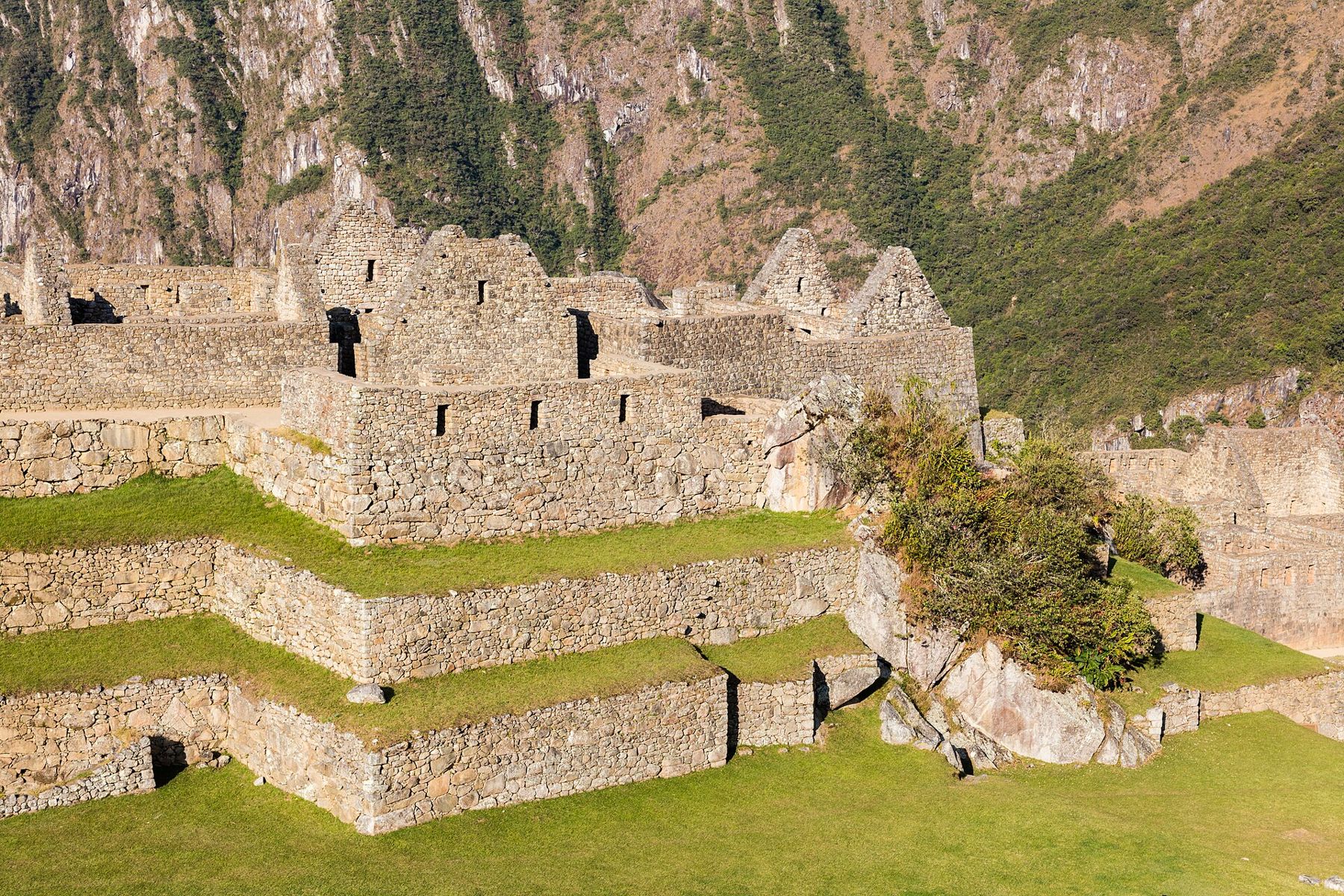
The lower parts of the circuits take you past finely fitted stonework, trapezoid doors and windows, and the long staircases that link the terraces. These are close-up subjects. The joints between the best blocks are so tight that side light shows them better than any flash could, so look for walls with the sun raking across them rather than shining straight on.
Llamas graze the terraces and wander the paths. They make a good scale reference against the walls, but give them room, and do not feed or touch them. Remember too that you share every narrow passage with a line of other visitors on the same one-way route, so step out of the stream before you stop to shoot.
Huayna Picchu and the other peaks
Huayna Picchu, the peak in the background of the classic view, has its own limited tickets and a steep, exposed path with stone steps and cables in places. From the top you look straight down on the citadel from the north, the reverse of the postcard view. Machu Picchu Mountain, on the opposite side, is higher and longer, with a wider view over the whole valley. Both climbs are hard work at altitude and not for anyone uneasy with drops. They sell out, so book early if you want either.
The Sun Gate, Intipunku, is where the classic trail arrives, high on the ridge above the site. Whether you can walk up to it from inside depends on your ticket; check the current routes.
Cloud months and clear months
The dry months, roughly May to September, bring the most reliable sky and the biggest crowds. The rainy season runs roughly from November to March, with the heaviest rain in the middle of it. The classic trail closes for maintenance for about a month in the wet season, usually February.
Rain is not a reason to stay away. The terraces are at their greenest, the cloud is at its most dramatic, and there are fewer people on the paths. The trade-off is that you may wait a long time for a view, and some days it never comes. The months on either side of the dry season, April and May or September and October, are a good compromise.
Whatever the month, the weather can change within minutes. Carry a light rain shell and a cloth to dry the lens, and keep the camera under your jacket during showers. Tiny biting flies are common on the lower slopes and in the town below, so bring repellent.

Kit the gate turns away
The rules on what you can bring in are strict and specific. In general terms, tripods, monopods and drones are not allowed, and large bags have to be left outside. The list of banned items has grown over the years and sometimes includes things you would not expect, so read it before you pack.
- Shoot handheld. Mid-morning light is bright enough, and a steady elbow on a wall is all the support you need.
- Bring one small zoom rather than a bag of lenses. You will not have time or space to swap.
- Keep a spare battery and card in a pocket, since leaving the circuit to fetch them is usually not an option.
- Do not climb on walls or sit on the stonework for a better angle. Guards will stop you, and rightly.
A clear blue morning gives you the standard picture; a breaking cloud gives you a moody one that is much harder to get.
The site is high, though lower than Cusco, and the paths are uneven stone. Walk slowly, drink water, and look up from the screen often: the shape of the mountains around the citadel is half of the picture.
Other sites with strict timed entry and no-tripod rules, such as the Taj Mahal, reward the same plan: book the slot that gives you low light, travel light, and wait for the weather to move. For mountain light on a smaller scale, the ridge at Seceda gives you the same game of cloud coming and going around a single view.