Darkroom notes · Any place
Beating the crowds without getting up at four
Sunrise is not the only empty hour. The last hour before closing, the lunchtime lull, the quiet season and a few tricks with angle and shutter can clear a scene almost as well.
Every guide to empty landmarks says the same thing: get there at dawn. It works, but it is not the only way, and on a long trip a four o'clock alarm every day wears thin. Crowds have patterns, and once you know them you can find quiet hours that do not cost a night's sleep.
The last hour before closing
Most visitors arrive in the middle of the morning and leave by late afternoon. Coach groups run on fixed schedules and need to be back for dinner. That leaves the hour before a site closes surprisingly calm, especially at places with a ticket gate and set opening times.
The light can be good too. In the warmer months, the last hour often falls in the late afternoon, when the sun is low and warm. Arrive early enough to walk the whole site once, so you know where you want to be when the light comes down and the crowd thins. Check closing times and last entry before you go, as both change with the season.
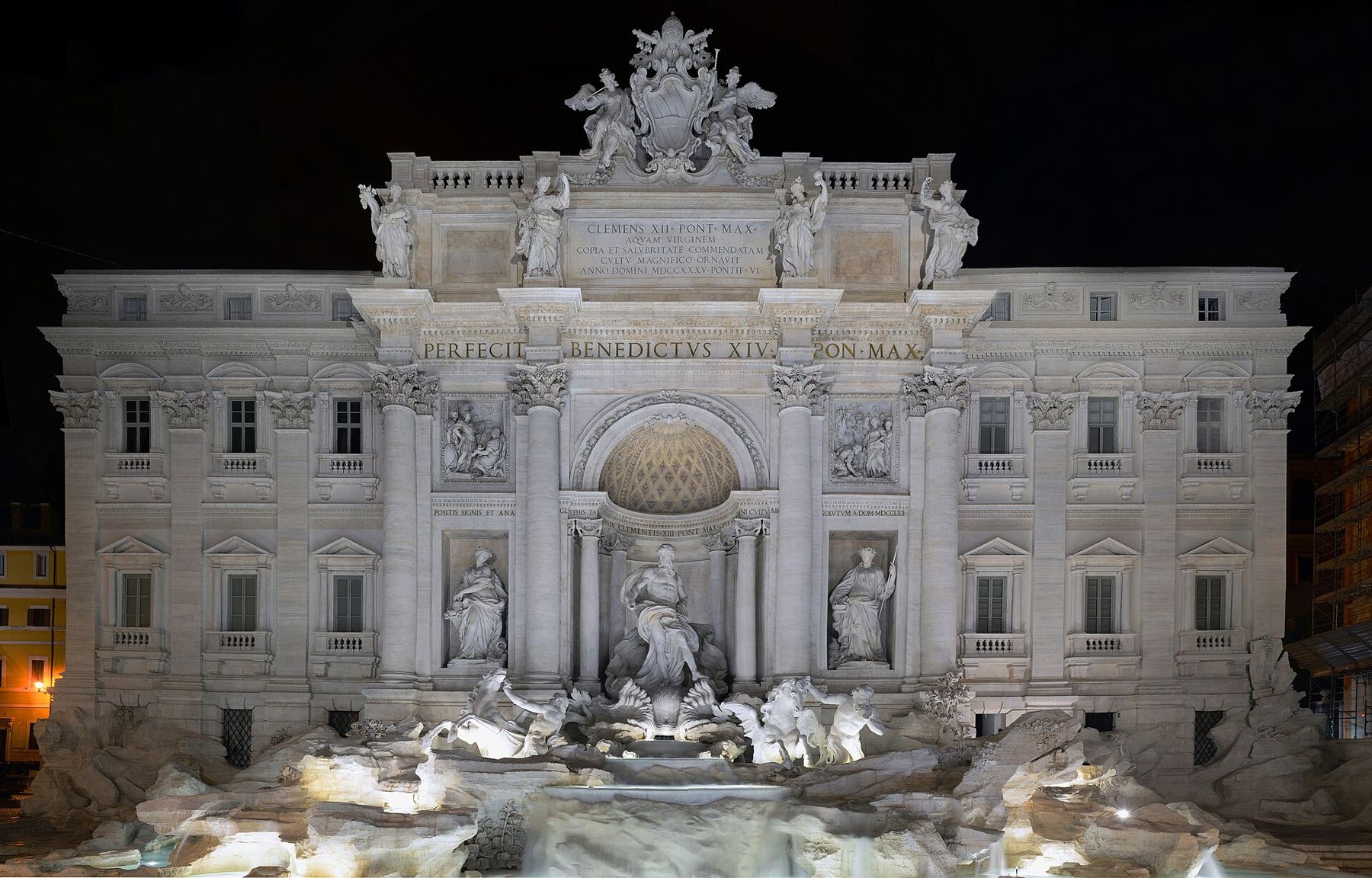
For open public places, such as squares, bridges and fountains, the same thing happens after dinner. Restaurants fill up, the streets empty, and floodlit monuments stand nearly alone for a while before the late crowd arrives.

Weekdays, low season and lunch
Pick the day
Weekends bring local visitors as well as tourists, and public holidays can double the crowd. A midweek day is almost always quieter. Find out which day a place closes each week, too: the day after a closure is often busier, as the people who were turned away come back.
Pick the season
The low season changes everything. In much of Europe, the months from November to March, outside the holidays, see a fraction of the summer crowd at the big sights. You trade long days and warm light for short days and grey skies, but the empty frames make up for a lot. The light is lower all day in winter, too, so the golden hours come closer to breakfast and to tea.
Pick the hour
In many countries, lunch is a real break. Groups head off to eat at roughly the same time, and for an hour or so the busiest viewpoints can ease. The light at midday is hard, so use this lull for interiors, shaded courtyards and details rather than the big view.
Let the crowd blur
When you cannot remove the people, you can make them disappear in a different way. A long exposure turns moving people into soft streaks or erases them almost entirely, while the stone stays sharp.
You need a steady camera and a long shutter time: a second or more in dim light, and much longer in daylight, which needs a dark filter in front of the lens or a phone mode that stacks many frames. Where tripods are not allowed, a small support on a wall or a bin does the job. Check the rules first; the note on tripod rules covers the general picture.
The effect works best where people keep moving, such as a bridge, a busy square or a station hall. It fails where people stand still, like a viewpoint where everyone waits for their own picture. Those people will show up as ghosts, and that can be its own kind of picture.
Change the angle, not the hour
The crowd gathers in front of the one spot everyone has seen in pictures. Step a few metres to the side and the scene often opens up.
- Go higher. A staircase, a bridge or a terrace above the crowd lets you shoot over people's heads.
- Go lower. Crouch and tilt up, so the heads fall below the frame and the building fills it.
- Go closer. A detail, such as a carved face, a doorway, or a sculpture against the sky, never has a crowd in it.
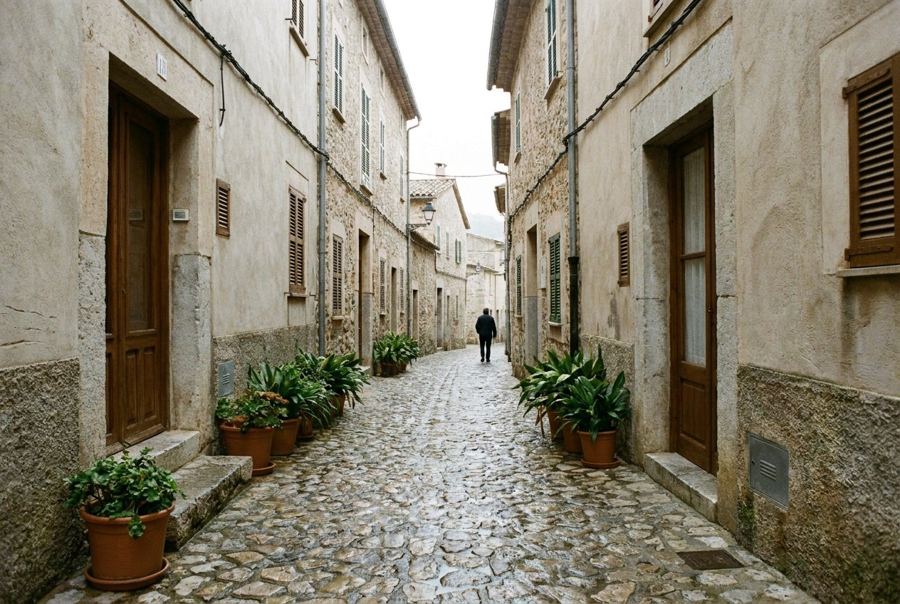
- Use the crowd. One figure walking through an otherwise clear frame can give scale and life. Wait for a gap, then for the single person.
- Use a longer lens. From further back, a longer focal length can isolate the top of a building above a busy street.
At the Fushimi Inari shrine in Kyoto, for example, the lower gates are packed while the paths further up the mountain thin out quickly. Climbing is often a better plan than an early start.
Know the busy patterns
Every place has its own rhythm. Cruise ships fill old ports in the middle of the day. Day-trippers from a big city arrive on the first trains and leave on the last. Some sights fill for a daily ceremony or a fountain show, then empty again.
Ask locally, watch the flow for an hour, or look at the times when the coaches park. A crowd that seems constant usually has gaps, and once you see them you can plan around them. The famous places on this site, from the Rialto to Neuschwanstein, each come with notes on their quieter hours.
When dawn really is the answer
Some places have no quiet hour except the first one. Sights with open access around the clock, such as famous fountains, bridges and squares in big cities, fill up from mid-morning until late at night. If a clean frame of one of those matters to you, the early start is worth it once.
The trade-off is to pick one dawn on a trip, for the place where it counts, and use the other tricks everywhere else. You will come home with as many empty frames, and more sleep.