Darkroom notes · Any place
Overcast days are a gift for streets and forests
A grey sky is a giant softbox. It kills hard shadows, deepens colours and keeps waterfalls and faces from burning out. Here is what to shoot under it, and what to save for the sun.
Most travellers look out of the window at a grey sky and put the camera away. That is a mistake. Hard sun is wonderful for some things, such as long shadows at the ends of the day and glowing stone at sunset, but for many subjects it is the enemy. A layer of cloud spreads the light out, and some of the best travel pictures are made on days that feel dull.
Why flat light is not bad light
On a bright day, the sun is a small, hard light. It throws deep black shadows next to brilliant highlights, and no camera can hold both. Narrow streets turn into stripes of glare and darkness; faces get squinting eyes; forests become a confusing patchwork of bright spots.
A cloud cover works like a vast diffuser. The light comes from the whole sky at once, so shadows go soft and the difference between light and dark shrinks to something the camera can manage. Colours look richer because they are not washed out by glare. Greens in particular deepen; wet stone darkens and shines.
The one thing overcast light does not do is drama. It will not light up a mountain or carve a building with shadow. So the trick is choosing subjects that do not need drama.
Lanes, markets and old streets
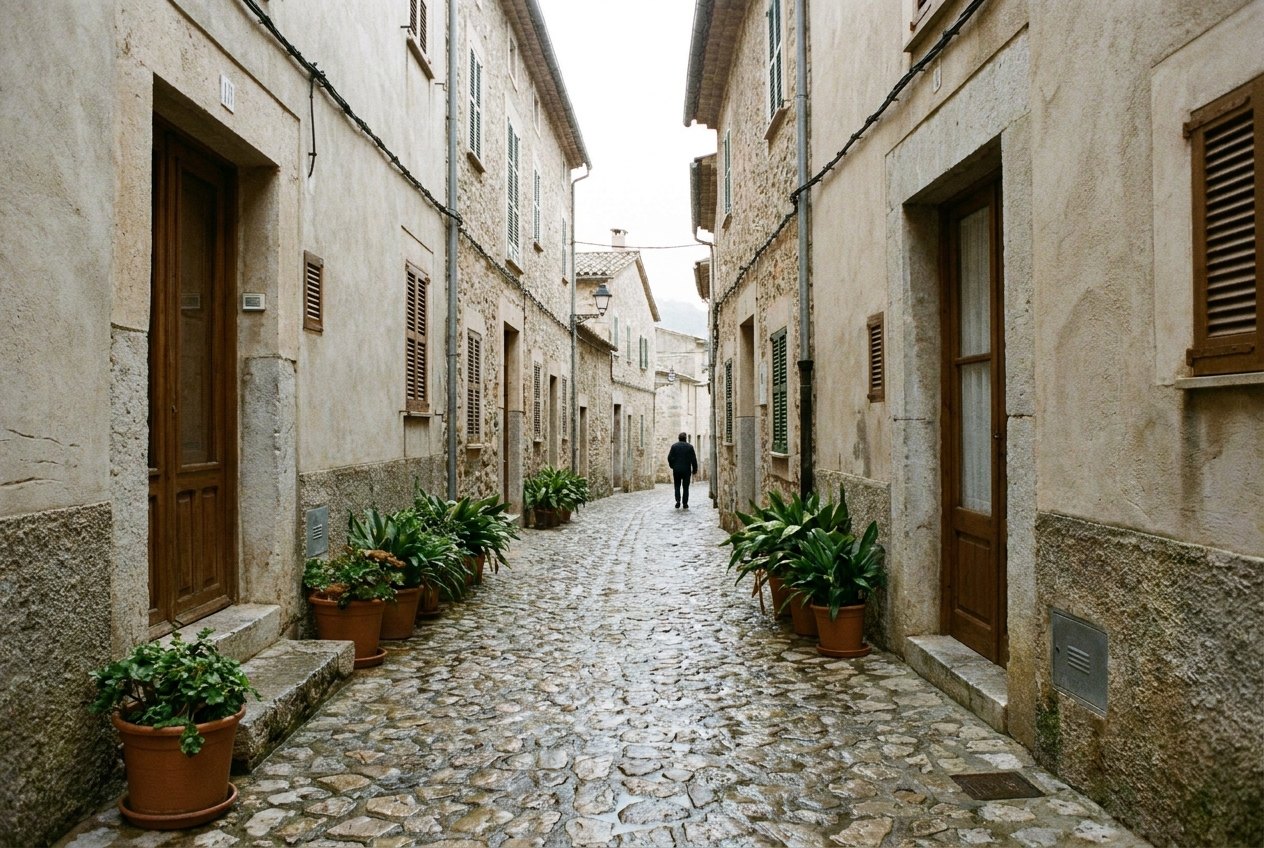
Narrow streets are perhaps the best overcast subject. In sun, one side of the lane is in glare and the other in shade. Under cloud, the whole lane is evenly lit, and you can see the texture of the walls, the colours of the shutters and doors, and the plants on the steps.
- Frame the lane so the sky is a small sliver or out of the picture entirely. A white sky is the one weak point of a grey day.
- Look for wet cobbles after rain. They reflect the light from the sky and give the ground a sheen.
- A single figure walking away gives scale without needing a face.
Markets work the same way. Under cloud, the colours of fruit, spices and fabrics come through cleanly, and you avoid the blotchy shade of awnings in sun. Ask before you photograph stallholders, and buy something if you spend a while there.
Cities known for their trams and steep, tiled streets, such as Lisbon, are a good example: under grey skies and drizzle, the tiles and the wet tracks glow with colour that harsh sun would bleach out.
Forests and waterfalls
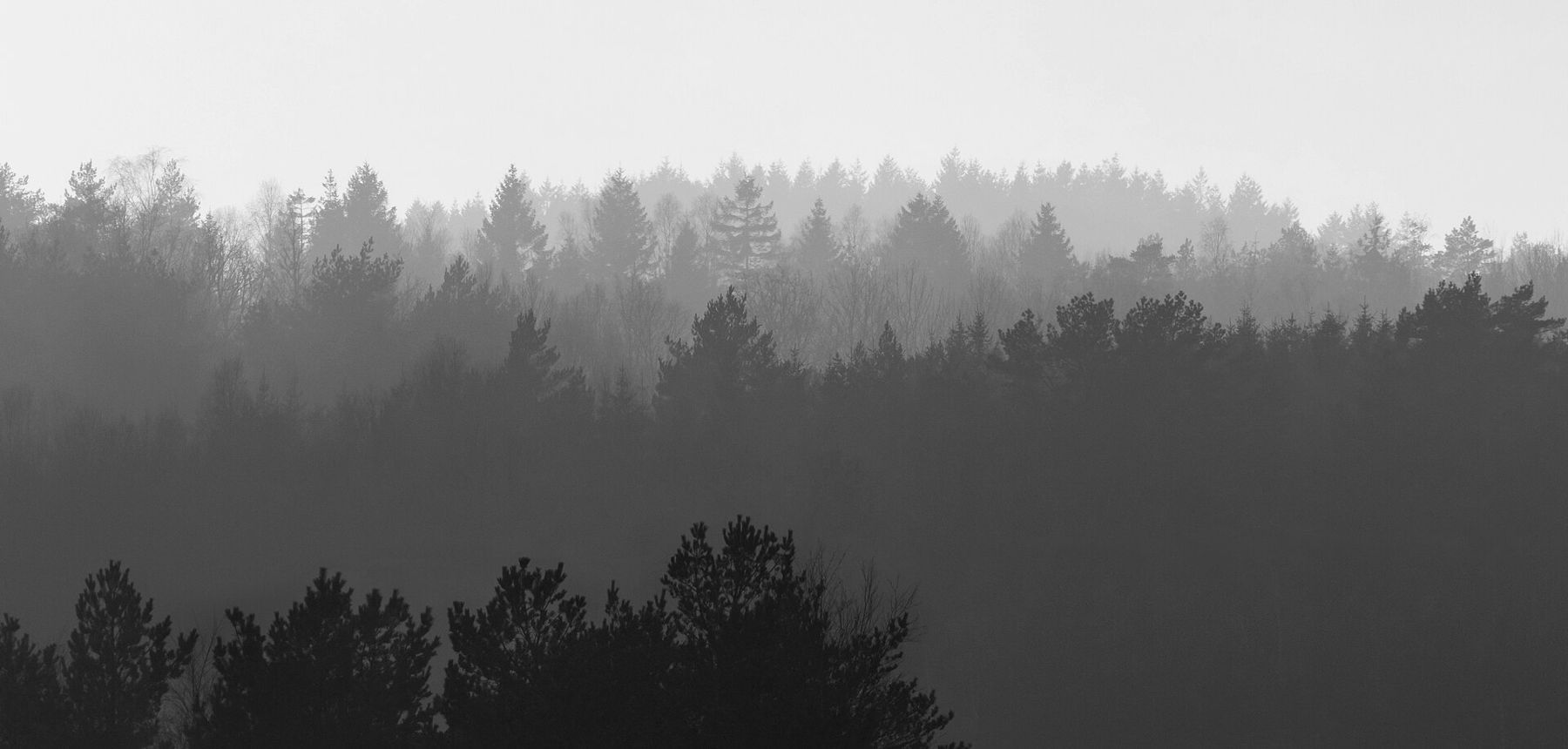
A forest in sun is a mess of bright patches and black holes. A forest under cloud, or better, in light mist, has even, gentle light and a sense of depth, as each row of trees fades slightly behind the one in front.
Waterfalls are similar. In sun, the white water is often far too bright next to the dark rocks. Under cloud, the water keeps its detail, and you can use a slower shutter to turn it silky without the highlights burning out. Steady the camera on a rock or a small support, and keep a cloth handy for spray.
Mist is the bonus. Low cloud in valleys and forests simplifies the scene, hides distractions and turns trees into layered shapes. Pictures like that work well in black and white too.
Interiors and close-ups
Grey days are also the time to go indoors. Churches, museums, stations and covered markets all look different when the light outside is soft: windows let in an even glow rather than hard beams, and the contrast inside is easier to handle. Check the rules on photography and on tripods before you start; many interiors allow pictures but not supports.
Close-up subjects shine as well: carved stone, mosaics, flowers, food on a plate, a weathered door. None of them needs a sky, and all of them benefit from soft, shadowless light.
Portraits are kinder too, if you have a willing subject. No squinting, no harsh shadows under the eyes, and skin tones look natural.
What to leave for a sunny day
Some subjects really do need the sun, and on a grey day it is better to skip them and come back.
- Big views and skylines. A grey sky over a wide panorama looks flat and dull. Wait for broken cloud at least.
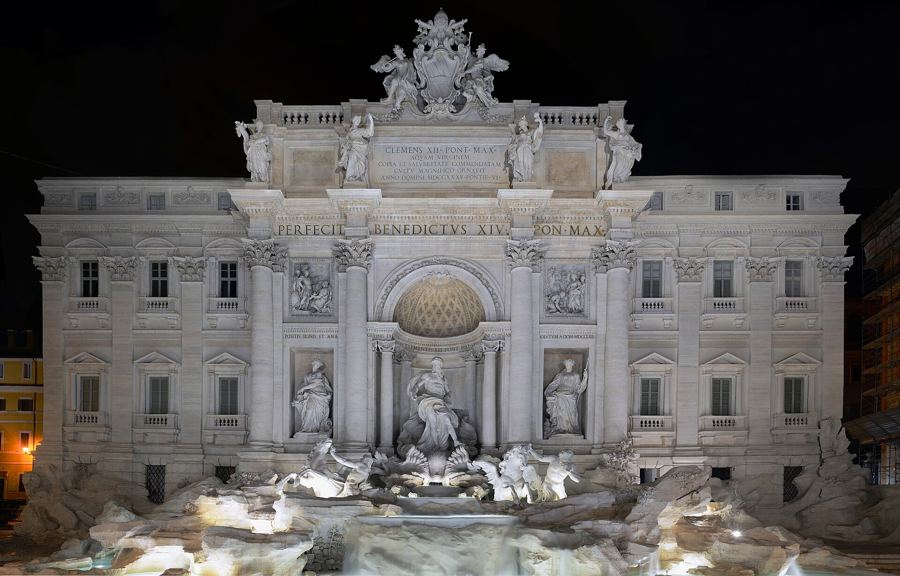
- White monuments against the sky. A pale building against a white sky disappears. Places such as the Taj Mahal need some colour in the sky behind them.
- Reflections in open water. Without colour in the sky, a lake or sea reflects only grey.
- Mountain ridges. High places like Seceda depend on side light to show their shape; on a flat day they look like cardboard.
If the cloud is breaking, though, stay alert. A gap in the cloud that lets one beam through onto a landscape under a dark sky gives the most dramatic light of all.
Handling the grey sky
Even on the best overcast subjects, the sky creeps into the frame. A few simple habits help.
- Exclude it. Tilt down, move closer, or use buildings and trees to cut it off.
- Expose for the ground. If the sky has to be in, let it go white rather than darkening the whole picture to save it.
- Add warmth. Grey light can look cold. A slightly warmer colour setting makes a rainy street look inviting rather than bleak.
- Protect the camera. A plastic bag, a shower cap or a simple rain cover keeps drizzle off; a cloth in your pocket keeps the lens clear.
The quiet reward of a grey day is that everyone else has gone back to their rooms. The streets, the paths and the forest trails are yours, in the softest light of the trip.